


The Importance of Structured Project Management in Steel Construction
Steel structure construction is not only about fabrication; it is fundamentally about coordination. Large-scale industrial and commercial projects involve multiple disciplines, tight schedules, and strict compliance requirements. Without structured project management, even technically sound designs can face delays, cost overruns, or quality risks.
Effective project management begins with pre-construction planning. This stage includes scope definition, schedule mapping, structural analysis coordination, and procurement planning. Early identification of technical challenges—such as long-span connections, heavy-load beams, or multi-level structures—reduces on-site adjustments and installation conflicts.
During fabrication, quality control must be embedded into every stage. Raw material inspection, dimensional verification, welding procedure qualification, and non-destructive testing ensure that structural components meet engineering standards before shipment. A data-based quality tracking system strengthens accountability and traceability.
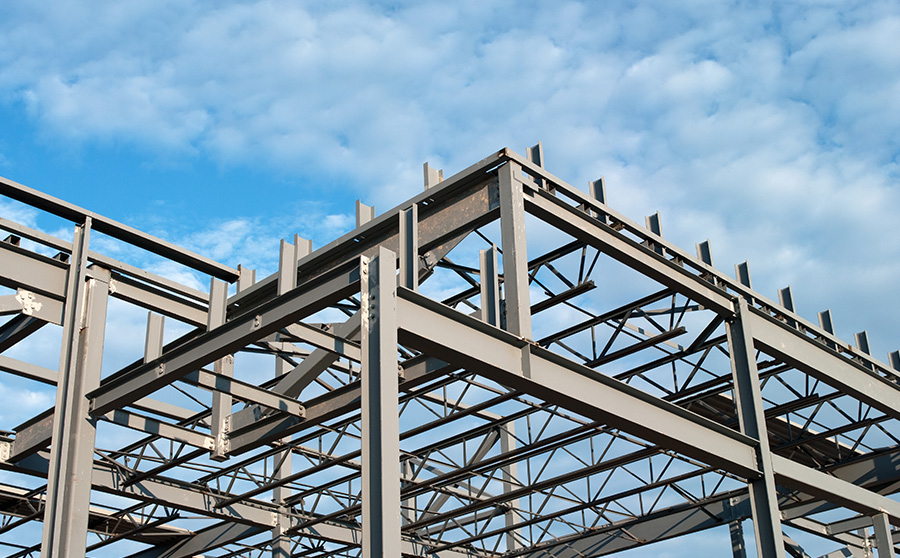
On-site installation requires disciplined sequencing. Crane operations, component alignment, bolting, and welding must follow engineered procedures to maintain geometric accuracy. Schedule control is equally critical. Coordinated logistics, staged delivery, and labor allocation ensure continuous workflow without bottlenecks.
Risk management is another essential dimension. Industrial projects often operate under compressed timelines and demanding safety conditions. Standardized safety protocols and layered supervision minimize operational hazards and protect both personnel and structural integrity.
Ultimately, structured project management transforms steel construction from a manufacturing task into an integrated engineering system. When design coordination, fabrication control, and on-site execution operate under a unified framework, the result is predictable delivery, controlled cost, and long-term structural reliability.